
The Alcoa Foundation Cybernetic Water Monitoring Project was established to deliver early warning of water quality stress across the Peel–Harvey catchment, one of Western Australia’s most ecologically and socially significant aquatic systems. The catchment spans freshwater rivers, estuarine environments, and adjacent marine waters, all of which are under increasing pressure from climate extremes, nutrient enrichment, and land-use change.
By deploying living organisms as biosensors, the project aimed to detect harmful conditions in real time—before visible ecological damage occurs—shifting monitoring from reactive reporting to proactive environmental intelligence.
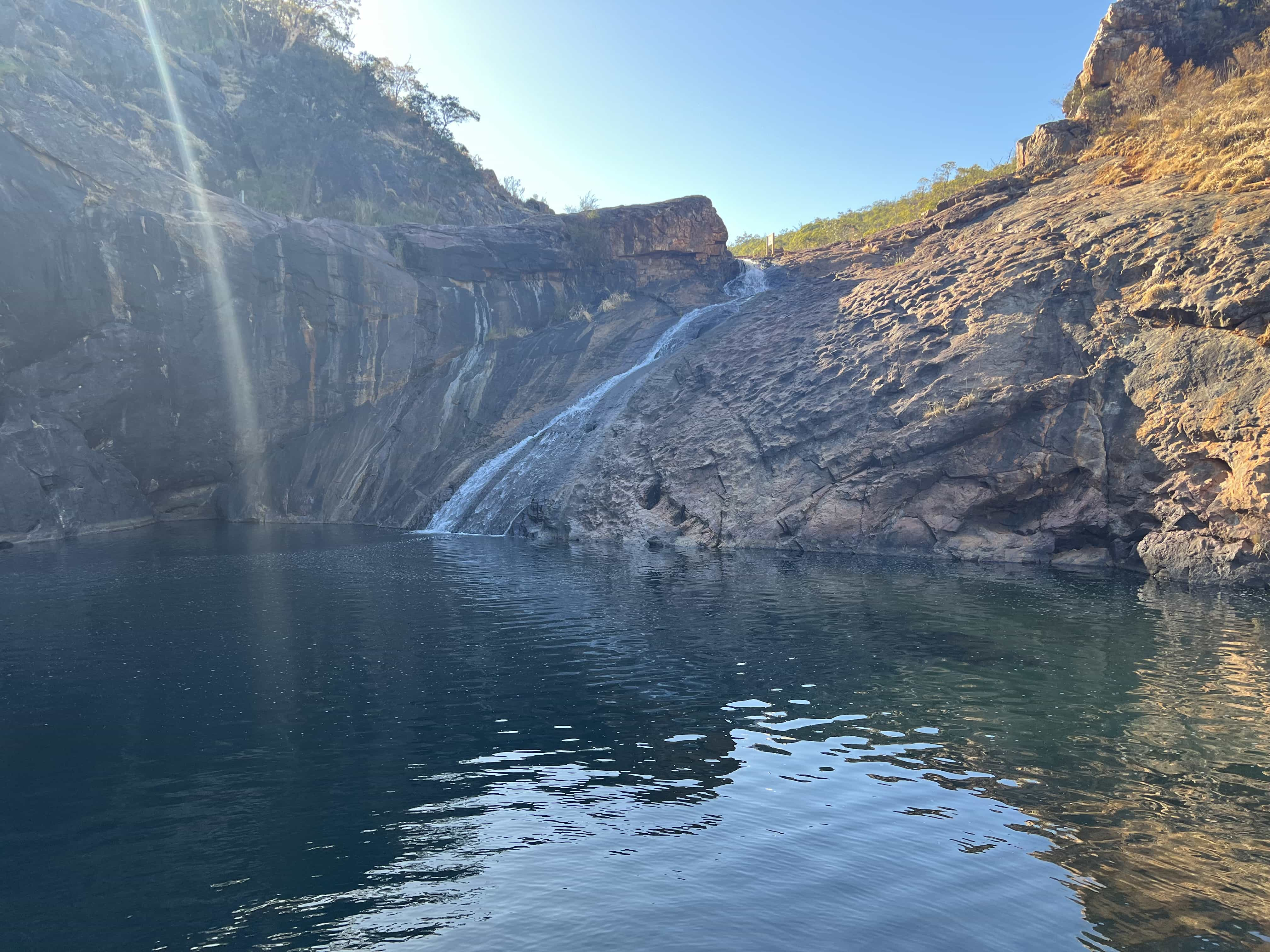
Cybernetic monitoring across river, estuary, and sea
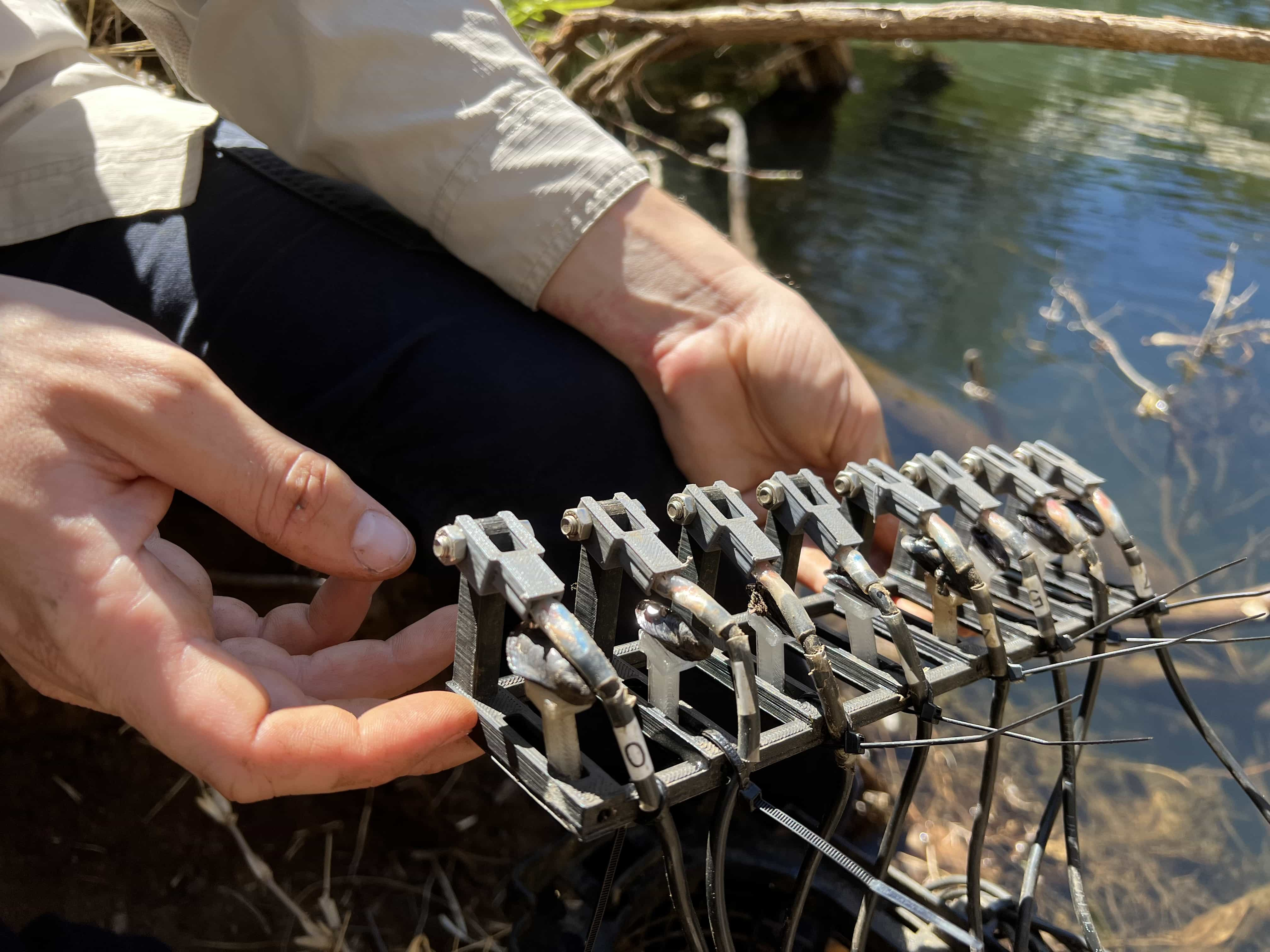
At the core of the project was the use of three different species of mussels, each selected for its suitability to a distinct habitat: freshwater river reaches, the Peel–Harvey estuary, and nearby marine environments. These bivalves act as natural integrators of water quality, responding rapidly to a wide range of stressors including low oxygen, temperature spikes, salinity shifts, algal toxins, and complex chemical mixtures.
Continuous monitoring of shell-gape behaviour allowed Spyvalve to transform biological responses into a cybernetic monitoring network, capable of identifying abnormal conditions as they emerged across multiple environments simultaneously.
Why the Murray River matters
A key motivation for the project was the Murray River, which flows through the Peel–Harvey system and is recognised as a recurring fish-kill hotspot. Fish kills in this region are often detected only after significant mortality has already occurred, limiting opportunities for timely investigation or intervention.
By providing early biological warning signals, the project sought to detect ecosystem stress hours to days before fish and other fauna are visibly affected—creating new opportunities for management response and impact reduction.

Community and education engagement
Community involvement was a central component of the project. Local school groups participated in learning activities linked to the monitoring stations, helping students understand aquatic ecology, pollution pathways, and the role of technology in environmental stewardship.
Engagement with regional stakeholders and land managers helped build shared ownership of waterway health, strengthening local capacity to interpret and respond to environmental data generated by the system.
